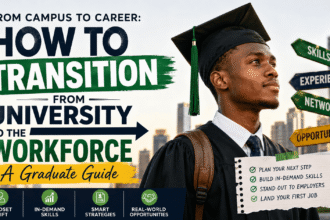



Thousands of African graduates are losing jobs to less-qualified candidates who communicate better, adapt faster, and work more effectively with people. Soft skills like emotional intelligence, communication, and adaptability are now primary hiring criteria across top African companies. This post breaks down what soft skills actually mean in the African context, why the system never taught them to you, and exactly how to build them in 30-day focused steps, even without formal coaching or expensive workshops.
Source: EduJobs Africa
Let me recall a time i was sitting in a room with 11 other candidates at a logistics company in Abuja, back in 2019. We had all passed the aptitude test. We all had degrees. Two of us even had second class upper. But by the end of that panel interview, only one person walked out with a job offer, and it was not the person with the best grades. It was a guy who barely scraped a 2.2, but the way he communicated, handled pressure questions, and made the interviewers laugh without being unprofessional, it was something else entirely. That day changed how I thought about the job market forever.
If you are a fresh graduate in Nigeria, Ghana, Kenya, or anywhere else on this continent, this post is the one you need to read before you send out your next application.
The Qualification Trap Most African Students Fall Into
Our education system, God bless it, was built to produce people who can pass exams. Four years at a federal university, and the conversation is almost always about GPA, departmental ranking, and professional certifications. Nobody in your 300 level class sat you down and said, “Hey, learn how to manage conflict. Learn how to speak in a room full of strangers. Learn how to receive feedback without shutting down.”
So we graduate technically sound but professionally fragile. And then we wonder why 40 applications produce zero callbacks.
The hard truth is that most Nigerian employers, especially in banking, tech, oil and gas, and the NGO space, have started filtering for soft skills before they even look at your transcript. I have spoken with HR managers at companies like Access Bank, Andela, and several federal MDAs who all said the same thing in different ways: “We can train someone to use our tools. We cannot train someone to be professional.”
What Soft Skills Actually Are (And What They Are Not)
A lot of people hear “soft skills” and think it just means being nice or speaking good English. That is a dangerous oversimplification.
Soft skills are the invisible tools that determine how you function under pressure, how you relate with colleagues, how you solve problems when the rulebook does not apply, and how you make people feel when they interact with you. They include things like emotional intelligence, adaptability, critical thinking, time management, teamwork, and the ability to communicate clearly whether in writing or face-to-face.
They are called “soft” not because they are easy, but because they are hard to measure. And ironically, that is exactly what makes them so valuable to employers who are tired of hiring people who look great on paper but fall apart in the real workplace.
The Skills African Employers Are Actually Asking For Right Now
I spent some time reviewing job listings across Jobberman, LinkedIn Nigeria, and BrighterMonday Kenya earlier this year, and a pattern was impossible to miss. Roles in customer experience, project management, sales, communications, and even some technical positions were listing things like “strong interpersonal skills,” “ability to work in a fast-paced environment,” and “excellent written and verbal communication” right at the top of requirements, before any mention of degrees or certifications.
In the African tech ecosystem especially, companies like Flutterwave, Paystack, mPharma, and Andela have publicly spoken about culture fit and collaboration skills as major hiring criteria. When Andela was building its developer network, they were not just testing code. They were watching how candidates gave and received feedback during group exercises. That tells you everything.
Emotional intelligence is particularly underrated in our space. An employee who can manage their own frustration during a difficult client call, or who can sense when a team meeting is going sideways and course-correct it, is worth more than three brilliant introverts who cannot communicate their brilliance to anyone.
What Nobody Tells You About the African Corporate Environment
Here is the uncomfortable thing most career blogs will not say: in many African workplaces, especially government institutions and older private sector companies, relationships and perception matter as much as performance. That is not corruption. That is human nature at scale.
Your soft skills are what build those relationships. The person who speaks respectfully to the security guard and the director alike, who follows up on emails without being pushy, who admits a mistake before being caught, that person gets the promotion, the referral, and the opportunity before anyone else.
I mentored a young woman from Kaduna State, Fatima, who had a 2.1 in Accounting from ABU Zaria. She had applied to 23 places with zero success. When I reviewed her interview approach, the issue was clear. She answered every question like she was writing an exam. Technically correct but completely robotic. We spent three sessions working on how she told her own story, how she framed challenges she had overcome, and how she engaged with the interviewers like a human being. Her next interview, she got the job. Same CV. Completely different presence.
How to Actually Build Soft Skills When Nobody Taught You
This is the part most blogs skip entirely because it is easier to write a list of “top 10 soft skills you need” than to tell you how to develop them in a real African context where you may not have money for coaching programmes or access to fancy workshops.
Start with deliberate discomfort. Join a debate club, a church committee, a community development group, anything that forces you to speak, plan, disagree, and collaborate with real people around real stakes. The skills you build organising a neighbourhood event or leading a student fellowship are the same ones that will show up in your management consulting interview.
Read widely, but read with the intent to communicate. After you finish a book or article, try explaining the key idea to someone else in simple language. This builds both critical thinking and communication at the same time. It is one of the most underused habits among young Africans.
Also, get intentional feedback. Ask a friend, a lecturer, or a mentor to watch you present something and tell you exactly what made them uncomfortable or confused. That feedback is free coaching. Most people avoid it because the ego does not like it. But your ego is not paying your rent.
Practical Steps to Stand Out With Soft Skills Before Your Next Interview
First, audit yourself honestly. Think about the last time you worked in a group, managed a deadline, or had a difficult conversation. How did you actually perform? Not how you wish you had performed, but how you actually did. That honest audit is your starting point.
Second, pick one soft skill to work on every 30 days. Do not try to become a completely different person overnight. This month, focus only on active listening. Next month, tackle written communication. Focused development always beats scattered intention.
Third, document your soft skill experiences the same way you document academic achievements. When your CV says “facilitated weekly team meetings for a student association of 200 members,” that is a soft skill in professional language. Learn to translate your real experiences into the vocabulary that hiring managers recognise.
Fourth, practice answering behavioural interview questions out loud. Questions like “Tell me about a time you handled a difficult colleague” or “Describe a situation where you failed and what you learned” are direct tests of your soft skills. Prepare real stories from your life. Not imaginary ones. Interviewers can always tell the difference.
Fifth, be consistent in your professional interactions, whether online or offline. Your LinkedIn activity, how you respond to emails during an application process, how you greet the receptionist on interview day; all of it is being evaluated. Soft skills are not a switch you turn on for interviews. They are a lifestyle.
The Next Step Is Yours
I will not pretend that developing soft skills is quick or easy. It takes self-awareness, which is one of the hardest things to build. But I promise you this: in a job market where thousands of candidates have the same certificates as you, the one thing that will separate you is not another course or another certification. It is how you make people feel when they interact with you.
You have already spent four or more years building your technical knowledge. Now spend the next six months being intentional about the skills that will actually get you in the door and keep you there.
If you found this useful, share it with a friend who is job hunting right now. They need to read this before their next interview.