Author: Musa Mustapha

  • Best Countries Giving Scholarships to Africans Without IELTS in 2026

    Best Countries Giving Scholarships to Africans Without IELTS in 2026

    Last updated: July 24, 2026

    I have seen so many students, but for the case of Ahmad Abubakar. He had strong grades, leadership experience, and a genuine passion for engineering. But one thing was blocking him: IELTS. The exam fee alone felt like punishment, and the nearest test center was hours away. He asked me one question: “Musa, is there any country that will accept me without IELTS?”

    My answer then is the same answer now: Yes — and more countries are opening up in 2026 than many students realize.

    Too many African students assume studying abroad is only for people with money, connections, or expensive English tests. That belief has killed thousands of dreams before the application even starts.

    The truth is this: many universities and scholarship bodies now accept alternatives like WAEC English, university language letters, previous education in English, or internal language assessments.

    If you’re searching for the best countries giving scholarships to Africans without IELTS in 2026, this is where I would start.

    Germany: Still One of the Smartest Moves

    I’ve recommended Germany to many students because it combines two things Africans need most: affordable education and respected degrees.

    Many public universities charge low or no tuition, and several scholarships support international students. In many cases, if your previous education was taught in English, some institutions may waive IELTS.

    Programs connected to DAAD remain worth checking as of my last review. Always verify directly on the official university portal because requirements differ.

    Germany is especially strong for engineering, data science, health sciences, and research-heavy fields.

    Turkey: Scholarships Many Africans Ignore

    Turkey surprises people every year.

    The Türkiye Scholarships program has funded students across Africa for undergraduate, master’s, and PhD studies. Some applicants are invited without needing IELTS if other proof of English exists or if the program offers language preparation.

    I once guided a student who nearly skipped Turkey because he thought it was “not competitive enough.” He got fully funded and later thanked me for pushing him.

    Never underestimate countries others are ignoring.

    Hungary: Quietly Becoming a Scholarship Hub

    Hungary has become more visible through the Stipendium Hungaricum scholarship.

    This program supports many international students, including Africans. Several universities may accept previous English-medium education or conduct their own language review instead of demanding IELTS.

    Hungary is practical for students who want Europe exposure without the brutal competition of UK or Canada routes.

    China: Massive Opportunities, But Research Carefully

    China continues to offer many scholarships through government and university routes.

    Some programs accept English proficiency letters from previous institutions. Others may request interviews instead of IELTS. However, requirements vary heavily by school.

    My honest advice? Don’t apply blindly because “China has many scholarships.” Target specific universities with clear support systems, relevant courses, and updated international offices.

    Malaysia: Affordable and Student-Friendly

    Malaysia remains underrated for Africans.

    Tuition can be more manageable than Western countries, and several universities accept WAEC English or a medium-of-instruction letter instead of IELTS.

    For students who want a smoother transition, Muslim-friendly communities, and relatively lower living costs, Malaysia deserves serious attention.

    What Nobody Tells You

    Here is the uncomfortable truth: No IELTS does not mean no standards.

    Many students celebrate seeing “IELTS waived” but forget the university still wants proof you can survive academically in English.

    That means weak personal statements, careless transcripts, poor CVs, and fake documents will still destroy your chances.

    Some students obsess over IELTS and ignore the real battle: presenting themselves professionally.

    Practical Steps to Apply in 2026

    1. Build a shortlist of 5 countries above based on your course, not hype.
    2. Visit only official scholarship or university websites.
    3. Search for phrases like “English proficiency waiver” or “medium of instruction accepted.”
    4. Request a language letter from your school if classes were taught in English.
    5. Prepare a serious CV and personal statement.
    6. Apply early. Late applicants usually meet closed portals.
    7. Avoid agents promising guaranteed scholarships.

    The Honest Closing

    If IELTS has been the reason you stopped dreaming, I need to say this clearly: it may be an obstacle, but it is not the end of your story.

    There are real best countries giving scholarships to Africans without IELTS in 2026 — but only for students willing to research properly, apply honestly, and move faster than procrastination.

    Somebody less talented than you will win this year simply because they submitted on time.

    Don’t let that happen again.
  • How a Student From a Poor Family in Kano Won a Full Scholarship to Study in Canada

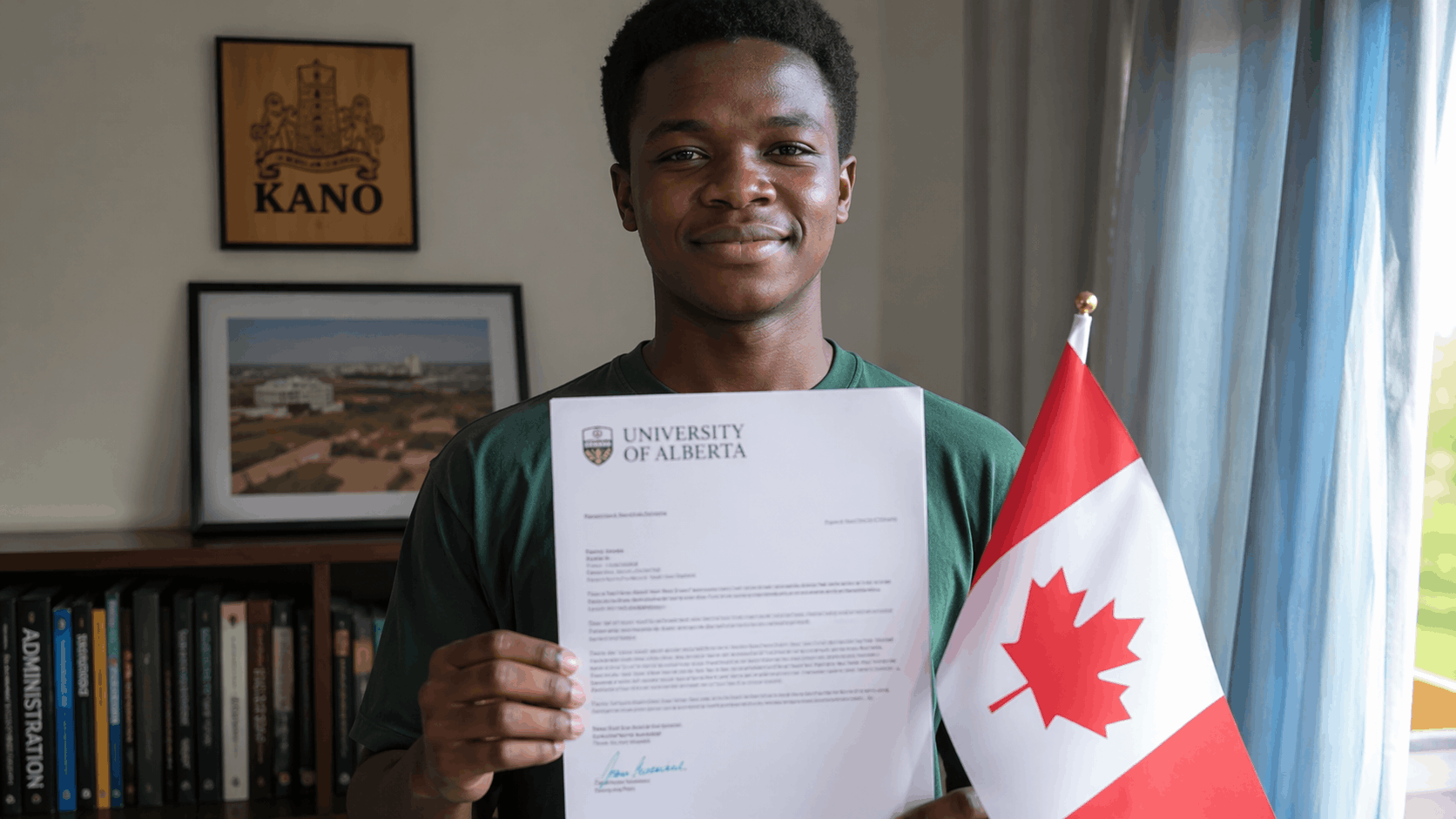
    How a Student From a Poor Family in Kano Won a Full Scholarship to Study in Canada

    Last updated: July 24, 2026

    In 2022, I got a WhatsApp message from Sani Ibrahim, a boy in Kano at exactly 11:47 pm. He wrote, “Bros Musa, my father sells tomatoes in Tarauni. I want to study abroad, but we barely eat twice some days. Should I forget this dream?”

    That message stayed with me as i read it deeply.

    Today, that same boy is studying in Canada on a full scholarship.

    Not because he knew anybody. Not because his family had money. But because he understood one thing many students miss: scholarships reward strategy, not pity.

    When Poverty Feels Like a Closed Door

    If you grew up in Kano, Kaduna, Jos, or any part of Nigeria where survival comes before dreams, you know the feeling.

    You may be brilliant, but WAEC fees were a struggle. JAMB registration felt heavy. Internet data is expensive. Meanwhile, people online make studying abroad look easy.

    This Kano student felt exactly that way. He attended a public secondary school, shared one Android phone with two siblings, and had never entered an airport.

    But he had something stronger than money: discipline.

    What He Did Differently

    The first thing I told him was harsh but true: nobody abroad is giving scholarships because you are poor.

    They fund students who show potential, leadership, resilience, and academic seriousness.

    So we focused on what mattered.

    He rewrote his CV from scratch. Instead of saying “hardworking young man,” we listed real achievements. He had organized free math lessons for younger students in his area. That became community leadership.

    He improved his grades record, gathered transcripts early, and prepared a clean personal statement explaining how growing up in Kano shaped his purpose.

    That honesty matters.

    Why Canada Said Yes

    Many Canadian universities and funding bodies look for students who will contribute, not just consume opportunity.

    His essay was powerful because it was real.

    He wrote about studying under streetlight during power cuts. He wrote about seeing bright students quit school because of money. He wrote that education should not depend on postcode or family income.

    That story was not emotional blackmail. It was evidence of resilience.

    And resilience is valuable.

    What Nobody Tells You

    Most Nigerian students lose scholarships before they even apply.

    They submit rushed essays. They use copied templates. They wait until deadline week. They chase only “big famous schools” and ignore smaller universities with real funding.

    This Kano student applied widely and early.

    That is the honest truth: the student who applies smart often beats the student who is simply smarter.

    Practical Steps If You Want the Same Result

    1. Build strong grades now. Even one extra point can matter.
    2. Start volunteering or leading something small in your community.
    3. Create a clean CV with measurable achievements.
    4. Write your own story, never copy online samples.
    5. Apply to multiple Canadian universities with funding options.
    6. Check official portals regularly and track deadlines.
    7. Prepare documents months early: passport, transcripts, references.

    Final Word

    If a student from a poor family in Kano can win a full scholarship to study in Canada, then your background is not the final verdict on your future.

    It may slow you down. It may frustrate you. But it does not get the last word.

    Start where you are. Use what you have. Apply anyway.

  • Chulalongkorn University Scholarship 2026: Why Smart African Students Are Looking at Thailand Instead of the UK

    Chulalongkorn University Scholarship 2026: Why Smart African Students Are Looking at Thailand Instead of the UK

    Last updated: July 24, 2026

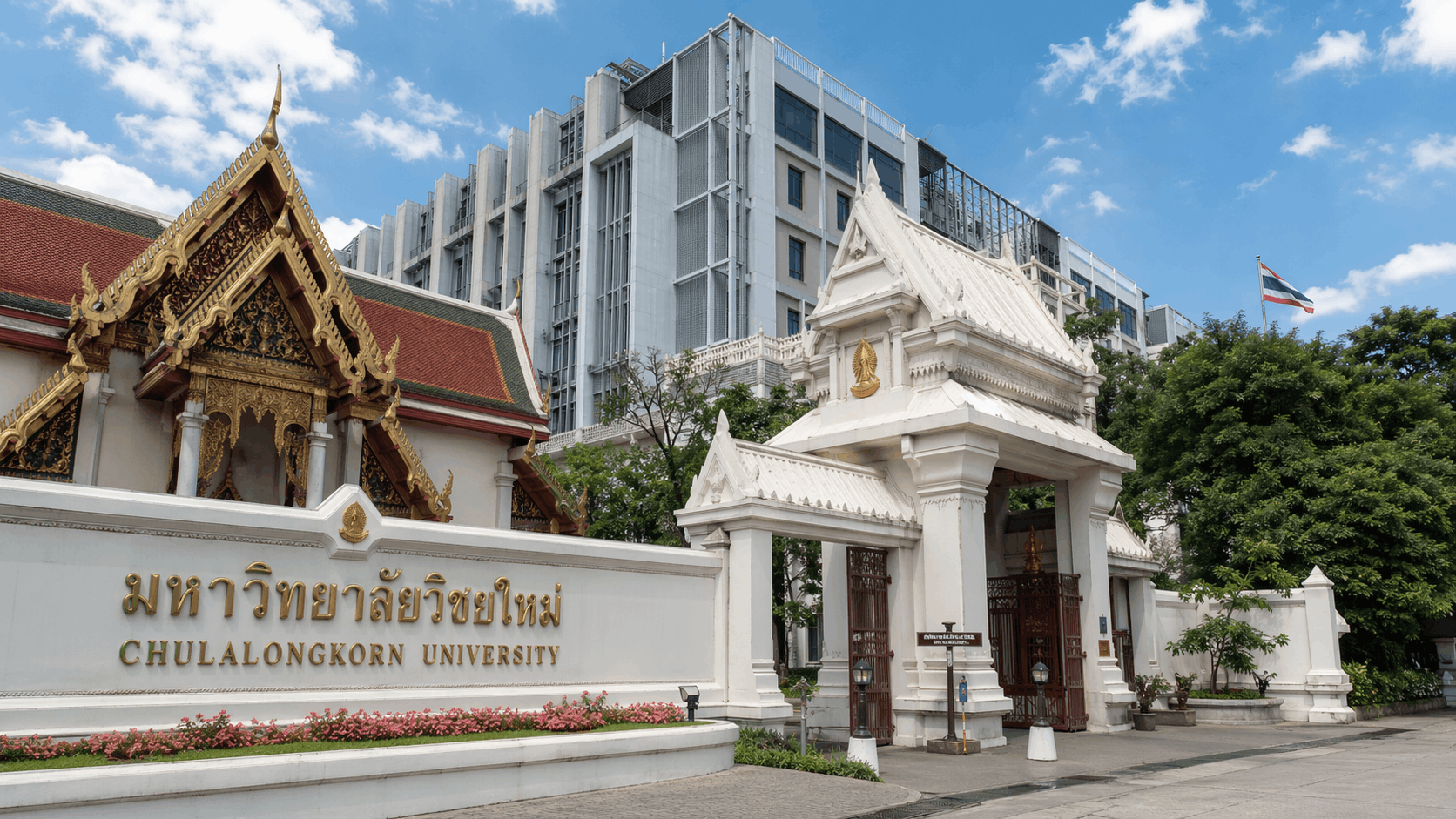
    Chulalongkorn University has opened applications for the Chula LINK Scholarship 2026 for international students who want to study a master’s or PhD.

    This is not one of those half-funded offers that leave you begging relatives after arrival.

    The scholarship is reported to cover:

    • Full tuition fees
    • Monthly living support
    • Round-trip airfare
    • Access to university academic resources

    That combination matters because tuition alone is not the real battle. Many students win admission and still cannot travel because feeding, rent, visa fees, and flights destroy the plan.

    A proper scholarship understands that.

    Why Chulalongkorn University Carries Weight

    Many African students have never heard the name before, and that is normal.

    But in Asia, Chulalongkorn University is widely respected and considered one of Thailand’s leading universities. It attracts international students and researchers, which matters if you care about networking, research exposure, and future employability.

    Sometimes prestige is regional before it becomes global.

    Do not make the mistake of thinking only Western universities matter. Employers increasingly care about skills, research quality, and your actual performance.

    What You Can Study There

    The opportunity is open across multiple graduate areas, including fields such as:

    Business Administration
    Engineering
    Social Sciences
    Development Studies
    Science and Technology
    Public Policy
    Health Sciences
    International Programs

    That matters for African students because many of our biggest opportunities are in practical sectors: infrastructure, healthcare, technology, governance, agriculture systems, education reform, logistics.

    A smart postgraduate choice should connect to where the continent is growing.

    Before applying, always verify your exact program on the official university portal.

    Who Can Apply – And Where Many People Fail

    The scholarship is for international students, which means non-Thai citizens.

    Applicants are generally expected to:

    • Gain admission into an eligible master’s or PhD program first
    • Show strong academic performance
    • Meet language and academic entry requirements
    • Submit all required documents before deadline
    • Demonstrate genuine potential for graduate study

    Now let me tell you the uncomfortable truth.

    Many students think scholarships are won by “luck.” That is false.

    They are often lost through poor preparation.

    Wrong documents. Weak statement of purpose. Late references. Generic CV. No research alignment. Careless spelling mistakes. Waiting till last week.

    That is how good people lose.

    What the Official Website Will Never Tell You

    The scholarship may be open to everyone, but not everyone is equally ready.

    A first-class degree helps. A strong second-class upper can still compete. But grades alone do not tell the full story.

    Selection committees also ask silently:

    Can this person survive graduate-level pressure?
    Can this person represent the university well?
    Can this person finish what they start?
    Can this person contribute academically?

    That is why your personal statement matters more than many Nigerians realise.

    If your statement sounds copied, desperate, vague, or AI-generated nonsense, you weaken your own chances.

    Real clarity beats fancy grammar.

    Why Thailand Can Be a Smarter Choice Than Chasing Popular Countries

    Let us speak honestly.

    Some students reject opportunities because they only want countries that impress neighbours.

    That mindset has buried many futures.

    Thailand offers:

    Lower living costs compared with many Western destinations.
    Growing academic influence in Asia.
    International student communities.
    Exposure to one of the world’s dynamic economic regions.

    In 10 years, nobody serious will care whether you studied in London or Bangkok if your results, skills, network, and work speak loudly.

    Choose outcomes, not bragging rights.

    How to Apply the Right Way

    Based on the published process, students typically need to move in this order:

    1. Choose Your Graduate Program Carefully

    Do not start with scholarship money. Start with fit.

    Pick a program linked to your career direction. Public health, engineering, policy, data, education leadership—whatever matches your path.

    2. Apply for University Admission First

    This scholarship requires applicants to secure admission to an eligible program.

    No admission, no scholarship path.

    3. Prepare Core Documents Early

    Usually this may include:

    • Academic transcripts
    • Degree certificate
    • Passport copy
    • Recommendation letters
    • Statement of purpose

    Some departments may request additional items. Verify directly.

    4. Build a Serious Statement of Purpose

    Explain:

    Why this course
    Why now
    Why Chulalongkorn
    What problem you want to solve afterward

    Make it personal, specific, and evidence-based.

    5. Submit Before the Deadline

    Current stated deadline: 24 May 2026

    Do not romanticise last-minute applications.

    6. Monitor Email Daily

    Many students miss requests for clarification because they check email once a week.

    That laziness can cost a life-changing chance.

    My Advice to Nigerian and African Applicants

    If your CGPA is decent, your documents are ready, and you genuinely want postgraduate growth, apply.

    If your CGPA is weak, do not disappear. Strengthen other parts of your file—experience, clarity, recommendations, relevant work, research direction.

    If you are waiting for the “perfect scholarship,” be careful. Sometimes the scholarship that changes your life does not come from the country you imagined.

    It comes from the opportunity you almost ignored.

    What To Do Now

    1. Visit Chulalongkorn University’s official graduate admissions portal.
    2. Check eligible master’s or PhD programs.
    3. Confirm language requirements and entry rules.
    4. Gather transcripts, passport, references this week.
    5. Draft your statement of purpose.
    6. Submit admission application first.
    7. Complete scholarship process before 24 May 2026.
    8. Apply to multiple scholarships too—never depend on one.

    Final Word

    I have watched too many bright African students delay their future because they were waiting for one famous country to approve them.

    Do not let ego choose your next step.

    Let strategy choose it.

    A fully funded seat at a respected university can open doors long after social media trends move on.

    If Thailand is the door opening now, at least knock.

    Would you study in Thailand if tuition, stipend, and flight were covered? Tell me honestly.

  • The Scholarship Application Mistake 90% of African Students Make (And How to Fix It)

    The Scholarship Application Mistake 90% of African Students Make (And How to Fix It)

    Last updated: July 24, 2026

    I still remember 2018 like it was yesterday. I sat in a crowded café in Kano, helping a final-year student submit a fully funded scholarship application to Europe. Everything looked perfect — grades, documents, even recommendations.

    He got rejected in less than two weeks.

    Not because he wasn’t qualified.
    But because of one mistake almost every African student makes.

    And I’ve seen it repeat itself again and again.

    The Mistake: Writing Like You’re Begging, Not Positioning

    Most scholarship applications I review sound the same.

    “Please, I am from a poor background…”
    “I really need this opportunity…”
    “This scholarship will change my life…”

    I understand the pain behind those words. I’ve been there. I wrote the same kind of statements when I was applying after NYSC.

    But here’s the truth nobody told me back then:

    Scholarship committees are not looking for who needs help the most.
    They are looking for who brings value.

    Why This Approach Fails (Even If Your Story Is Genuine)

    Let me break it down based on what I’ve learned helping students across Nigeria, Ghana, and even Kenya.

    When reviewers from international universities or organizations read your application, they are asking one silent question:

    “What will this person do with this opportunity?”

    Not: “How hard is their life?”

    Yes, your background matters. But it’s not the main selling point.

    I once mentored a girl from Kaduna who had an incredible hardship story. But her first draft focused only on suffering — no vision, no direction.

    We rewrote it completely.

    What Strong Applications Do Differently

    Strong applicants don’t just tell stories — they connect dots.

    They show:

    Where they are coming from
    Where they are going
    And how the scholarship fits into that journey

    When I finally got my first international opportunity, it wasn’t because I had the best grades.

    It was because I clearly explained how my background, my struggles with JAMB, and my career goals in education technology were all connected.

    That clarity is what most students miss.

    Stop Writing “General” Statements

    Another painful truth: most African students copy structure without understanding strategy.

    You’ll see people writing:

    “My passion for leadership started when…”

    “My goal is to make the world a better place…”

    It sounds nice. But it’s empty.

    Reviewers read thousands of applications. They can spot generic writing instantly.

    One of the fastest ways to get rejected is to sound like everybody else.

    What Nobody Tells You

    Let me be brutally honest here.

    Some students with average grades get scholarships over first-class students.

    I’ve seen it happen too many times to ignore.

    Why?

    Because clarity beats intelligence in applications.

    A student who knows exactly what they want, why they want it, and how they will use it — will always stand out more than someone who just has good results but no direction.

    This is the part most blogs won’t tell you.

    How to Fix This Mistake (Step-by-Step)

    If you’re applying for scholarships right now, here’s what I want you to do:

    1. Rewrite your personal statement focusing on your FUTURE, not just your past
    2. Clearly state your career goal — not something vague, something specific
    3. Connect your background to your ambition (don’t just narrate hardship)
    4. Explain why THIS scholarship (not any scholarship) fits your plan
    5. Remove all begging language — replace it with confidence and clarity
    6. Read your essay and ask: “Would I fund this person if I were the reviewer?”

    If the answer is no, go back and fix it.

    Final Words

    If you’ve been getting rejections, it doesn’t always mean you’re not good enough.

    Sometimes, it just means you’re telling your story the wrong way.

    I know how frustrating it feels. I applied for over 40 opportunities before I got my breakthrough.

    But the moment I stopped trying to gain sympathy — and started showing direction — everything changed.

    Your story is powerful.
    But only if you tell it the right way.

    Don’t waste another application cycle making the same mistake 90% of students are making.

    Fix it now.

  • NNPC-SNEPCo Postgraduate Scholarship 2026: A Real Opportunity for Nigerian Graduates Who Want a UK Master’s Without Paying the Bill

    NNPC-SNEPCo Postgraduate Scholarship 2026: A Real Opportunity for Nigerian Graduates Who Want a UK Master’s Without Paying the Bill

    Last updated: July 23, 2026

    A few years ago, a friend in Zaria Abdullahi Ahmad sold his laptop to pay an application fee for a UK master’s.

    He already had the admission.

    What he didn’t have was tuition.

    That part was over ₦20 million once everything was added. Fees, visa, accommodation, flight, feeding.

    He deferred the admission.

    Then deferred it again.

    Eventually he gave up.

    That story is common in Nigeria.

    Getting admission abroad is hard. Paying for it is harder.

    Which is why the NNPC-SNEPCo Postgraduate Scholarship 2026 deserves attention right now.

    Not because it promises miracles.

    Because it removes the biggest barrier for many qualified Nigerians: money.

    And if you’re planning a master’s in the UK, especially in energy, engineering, AI, geoscience or related fields, this is one of the strongest funding options currently open.

    Why this scholarship matters more than people think

    Most scholarship posts online stop at “apply here.”

    That doesn’t help much.

    What matters is whether this one is realistic for you.

    And whether you should start now or ignore it.

    The NNPC-SNEPCo postgraduate scholarship is funded by Shell Nigeria Exploration and Production Company Limited under its partnership with the Nigerian National Petroleum Company Limited.

    For the 2026 cycle, selected Nigerians will study in the UK for a one-year MSc.

    Not partially funded.

    Fully funded.

    That includes:

    • full tuition fees
    • one economy return flight from Nigeria to the UK
    • contribution toward living expenses
    • medical insurance aligned with UK student visa requirements

    For anyone who has checked UK postgraduate costs recently, you already know what that means.

    This can easily save you tens of millions of naira.

    The courses are not random, and that matters

    One thing I like about this scholarship is that the eligible courses are clear.

    They’re tied to real sectors.

    Shell isn’t funding random programmes. They’re targeting areas connected to oil and gas, engineering, technology, and future energy systems.

    The scholarship is linked to two UK universities:

    University of Aberdeen

    Eligible courses include:

    • MSc Geophysics
    • MSc Safety & Reliability Engineering for Oil & Gas
    • MSc Advanced Chemical Engineering
    • MSc Integrated Petroleum Geoscience

    Newcastle University

    Eligible courses include:

    • MSc Data Science and AI
    • MSc Data Science
    • MSc Engineering Management
    • MSc Sustainable Chemical Engineering
    • MSc Artificial Intelligence
    • MSc Robotics and AI
    • MSc Marine and Ocean Engineering

    That course list tells you a lot.

    This isn’t just for petroleum engineering graduates.

    Computer science graduates can fit.

    Engineering graduates can fit.

    Chemical engineering graduates can fit.

    Geoscience graduates can fit.

    Even AI and robotics applicants can fit.

    The part many applicants get wrong before they even begin

    Here’s the catch.

    You do not start with the scholarship form.

    You start with university admission.

    That trips up many people every year.

    You first apply directly to either:

    • University of Aberdeen
    • Newcastle University

    For one of the approved courses.

    Then wait for a formal offer.

    Only after that does the scholarship application become available through the university.

    No admission offer, no scholarship application.

    Simple.

    But many people wait until scholarship deadline season before checking.

    By then it’s already late.

    Who can actually apply?

    Here’s the practical version.

    You’re likely eligible if:

    • you’re Nigerian
    • you currently live in Nigeria
    • you’ll be between ages 21 and 28 by 30 September 2026
    • you’ve completed NYSC by September 2026
    • you have a strong academic background, roughly equivalent to UK upper second class
    • you can meet English language requirements
    • you haven’t previously studied in the UK or another developed country
    • your international passport remains valid through at least December 2026

    The English requirement listed publicly includes at least IELTS 6.5, though always confirm directly with the university before booking any exam.

    And yes, verify everything on the official portal before proceeding. Universities update requirements quietly sometimes.

    What Nobody Tells You

    Let me say the uncomfortable part.

    This scholarship is competitive.

    Very competitive.

    Thousands will hear “fully funded UK scholarship” and rush in.

    Many will not get past admission.

    Some will get admission but miss scholarship deadlines.

    Some will qualify academically but write weak personal statements.

    Some will ignore details like passport validity.

    Some will leave IELTS too late.

    And some will submit everything correctly and still not get selected.

    That’s the reality.

    So if you’re applying, don’t treat it like a lottery ticket.

    Treat it like a serious project.

    Start early.

    Give it attention.

    Because scholarships like this are often won months before people think they begin.

    Also, another thing many people misunderstand:

    This scholarship does not guarantee a job with Shell after graduation.

    Shell says this clearly.

    There’s no employment bond.

    No automatic recruitment.

    No promise of placement.

    That shouldn’t discourage you.

    It just means apply for the degree, not for imagined employment.

    If I were applying for this myself, here’s exactly what I’d do

    If I were a fresh applicant today, this is the route I’d follow.

    1. Pick your course immediately

    Don’t start with “I’ll see later.”

    Choose one course.

    Read every admission page.

    Check:

    • entry requirements
    • transcript requirements
    • references
    • IELTS score
    • deadlines

    2. Prepare your admission documents

    Usually that means:

    • degree certificate or statement of result
    • academic transcript
    • CV
    • statement of purpose
    • reference letters
    • international passport
    • English language proof

    Get these ready early.

    Transcript delays alone can destroy timelines.

    I’ve seen it happen too many times.

    3. Submit your university application first

    This is the key move.

    Without the offer letter, you’re stuck.

    Prioritise admission.

    4. Watch your email closely

    Scholarship instructions typically follow through the university once admission is offered.

    Check spam folder too.

    Many people miss important messages there.

    5. Prepare for possible interview

    Shortlisted applicants may be interviewed before final selection.

    If that happens, be ready to answer:

    • why this course
    • why this university
    • how it connects to Nigeria
    • your career goals
    • how you’ll use the degree after graduation

    Keep answers practical.

    No motivational speech.

    No “I want to change the world.”

    Be specific.

    Small mistakes that can quietly ruin your chances

    These ones hurt because they’re avoidable.

    I’d watch out for:

    • expired passport
    • weak statement of purpose
    • waiting too long for IELTS
    • applying to the wrong course
    • missing university deadlines
    • incomplete transcripts
    • using generic scholarship essays copied online
    • not reading email updates after applying

    The strongest applicants usually aren’t lucky.

    They’re prepared.

    What to do now

    If the NNPC-SNEPCo postgraduate scholarship is on your radar, here’s your move.

    1. Visit the official scholarship page

    Read the requirements yourself.

    Don’t rely on blogs alone. Including mine.

    Always cross-check.

    2. Pick between Aberdeen and Newcastle

    Look at modules.

    Not just school rankings.

    Choose based on where your background fits.

    3. Start your university application this week

    Not next month.

    This week.

    4. Sort out your passport and transcript

    These two create unnecessary panic later.

    5. Prepare for IELTS if required

    Check whether your programme allows waiver or requires test evidence.

    Verify directly with the university.

    6. Track the deadline carefully

    For this cycle, completed scholarship applications are expected to reach participating universities by 8 June 2026.

    Again, confirm directly on the official portal in case anything changes.

    One last thing

    I know how easy it is to talk yourself out of scholarships.

    Maybe your CGPA isn’t “perfect.”

    Maybe you think students from Lagos have better chances.

    Maybe you’re from Kano, Minna, Uyo, Bauchi, Gombe, Kaduna, Ibadan, Makurdi, and wondering whether people like you actually get picked.

    They do.

    But only if they apply.

    Not everybody gets funded.

    That part is true.

    But nobody gets funded by watching deadline countdown posts on X.

    If this fits your profile, give it a proper shot.

    Then let the selection panel decide.

    That’s better than wondering about it next year.

  • University of Melbourne Human Rights Scholarship 2026: The Funding Is Huge, but Your Research Proposal Matters More

    University of Melbourne Human Rights Scholarship 2026: The Funding Is Huge, but Your Research Proposal Matters More

    Last updated: July 23, 2026

    A few years ago, I spoke with a Nigerian student Amina, who had the grades, the passion, and even a supervisor willing to support her application.

    She still got rejected.

    Not because she wasn’t smart.

    Not because she lacked experience.

    Her proposal simply didn’t answer one brutal question clearly enough:

    “Why does this research need to happen?”

    That part gets people.

    And if you’re looking at the University of Melbourne Human Rights Scholarship for 2026, that question will probably decide whether your application moves forward or quietly disappears in the pile.

    This scholarship is generous. Very generous.

    But money is not really what they’re looking for.

    They’re looking for someone whose research can add something meaningful to the human rights conversation.

    That changes how you apply.

    This scholarship is bigger than tuition funding

    A lot of scholarships cover fees.

    Some cover fees and maybe a stipend.

    This one goes much further.

    The University of Melbourne Human Rights Scholarship supports graduate research students whose work focuses directly on human rights.

    For selected students, support can include:

    • Annual living allowance: AUD $44,500 per year (2026 rate)
    • Full tuition fee support
    • Relocation support
    • Overseas Student Health Cover (for eligible international students)

    Depending on your degree and how long your programme runs, the total package can reach well over AUD $100,000.

    For many students coming from Nigeria, Ghana, Kenya, South Africa, or elsewhere across Africa, that’s the difference between “I wish I could do this” and actually boarding the flight.

    Who this scholarship is really built for

    This is not a general postgraduate scholarship.

    That part matters.

    It’s specifically for students beginning a graduate research degree whose work connects directly to human rights.

    That usually means:

    • Master by Research
    • PhD or doctoral research

    And your research must clearly fit within human rights.

    Broadly, that could include work around:

    • refugee rights
    • migration
    • gender equality
    • children’s rights
    • social justice
    • disability rights
    • environmental justice
    • legal reform
    • policy development
    • indigenous rights
    • inclusion and equity

    But simply mentioning one of those topics is not enough.

    The university will want to see that human rights is the core of your research, not just something attached to the side of it.

    That distinction matters more than many people realise.

    The part many applicants underestimate

    Most students spend too much time worrying about grades.

    Yes, academic merit matters.

    But your proposal can carry more weight than your CGPA if the research is sharp, focused, and useful.

    I’ve seen students with strong academics submit vague proposals like:

    “I want to research women’s rights in Africa.”

    Too broad.

    Too soft.

    Too difficult to assess.

    A stronger version looks more like:

    “Examining barriers to legal protection for internally displaced women in North-East Nigeria and how existing policy frameworks can be improved.”

    That gives reviewers something concrete.

    They can immediately understand:

    • what the research is
    • where it focuses
    • why it matters
    • what contribution it might make

    That clarity gives you an edge.

    You’ll need more than academic interest

    This is where many applicants miss it.

    The scholarship doesn’t only look at your research idea.

    They also want evidence that your commitment to human rights exists outside the classroom.

    That can come from many places.

    Maybe:

    • volunteering with an NGO
    • legal aid work
    • youth advocacy
    • refugee support work
    • policy internships
    • community organising
    • gender-based violence awareness campaigns
    • disability inclusion work
    • public interest journalism

    Even small involvement counts if it’s real.

    You do not need to have founded an international organisation.

    You do not need a TED Talk.

    You just need proof that this work matters to you beyond university admission.

    For example:

    Did you volunteer with an IDP education programme in Borno?

    Did you write consistently about girls’ education access?

    Did you support legal awareness in your community?

    Did you work on child protection through an NGO?

    That matters.

    Include it.

    What nobody tells you

    Your research proposal is doing two jobs at once

    This part catches people off guard.

    Your proposal isn’t just academic.

    It’s also persuasive.

    It must prove:

    • you can do research
    • your topic matters now
    • your work can contribute something useful to human rights knowledge

    That means your proposal should not read like a class assignment.

    It should read like work that deserves funding.

    That difference is subtle.

    But reviewers feel it immediately.

    Also, many students think passion can replace precision.

    It cannot.

    You can care deeply about human rights and still submit a weak application if your proposal is unclear.

    And the opposite is also true.

    A focused, practical proposal with a clear methodology often performs better than emotional writing without structure.

    Before you apply, check these eligibility details carefully

    Before putting weeks into your application, confirm the basics.

    Generally, applicants must:

    • receive or be working toward an offer for an eligible graduate research degree at the University of Melbourne
    • be starting in the scholarship award year
    • conduct research in a human rights-related field
    • meet programme admission requirements

    There’s another important detail many people miss.

    Applicants typically should not already hold a research qualification at the same or higher level than the one they’re applying for.

    Always verify this directly on the official University of Melbourne scholarship page before proceeding, because policies can change.

    What to prepare early

    If you wait until the portal deadline week, it becomes stressful fast.

    Start gathering these now:

    • academic transcripts
    • degree certificates
    • CV
    • research proposal
    • statement of purpose
    • evidence of volunteer or human rights-related work
    • references or recommendation letters
    • proof of admission or offer status

    The hardest part is usually not documents.

    It’s writing.

    Especially the proposal.

    Give yourself time for drafts.

    Then step away from it.

    Then return and cut what feels vague.

    What to do now

    If this scholarship is on your list, here’s how I’d approach it.

    1. Confirm your research idea fits human rights clearly

    Be brutally honest.

    Can someone read your title and instantly connect it to human rights?

    If not, refine it.

    2. Check the University of Melbourne graduate research admission page

    Confirm your degree pathway first.

    No point preparing scholarship documents before knowing your admission route.

    3. Build a strong proposal before touching the scholarship application

    Do not rush this part.

    Your proposal is your application’s backbone.

    4. Gather proof of your work outside school

    Certificates help.

    Letters help.

    Volunteer records help.

    Even links to published work can help.

    5. Verify deadlines directly on the official portal

    Scholarship dates can move.

    Always double-check on the university website before submitting anything.

    Final thoughts

    I like this scholarship because it rewards more than grades.

    It rewards substance.

    It rewards people trying to do work that actually improves lives.

    And for African students especially, there’s room here if your research is thoughtful and your application is prepared properly.

    Don’t try to impress reviewers with complicated language.

    That usually backfires.

    Say what your research is.

    Say why it matters.

    Show that you’ve already cared about this work before the scholarship existed.

    That combination is powerful.

    And sometimes, that’s enough to get funded.

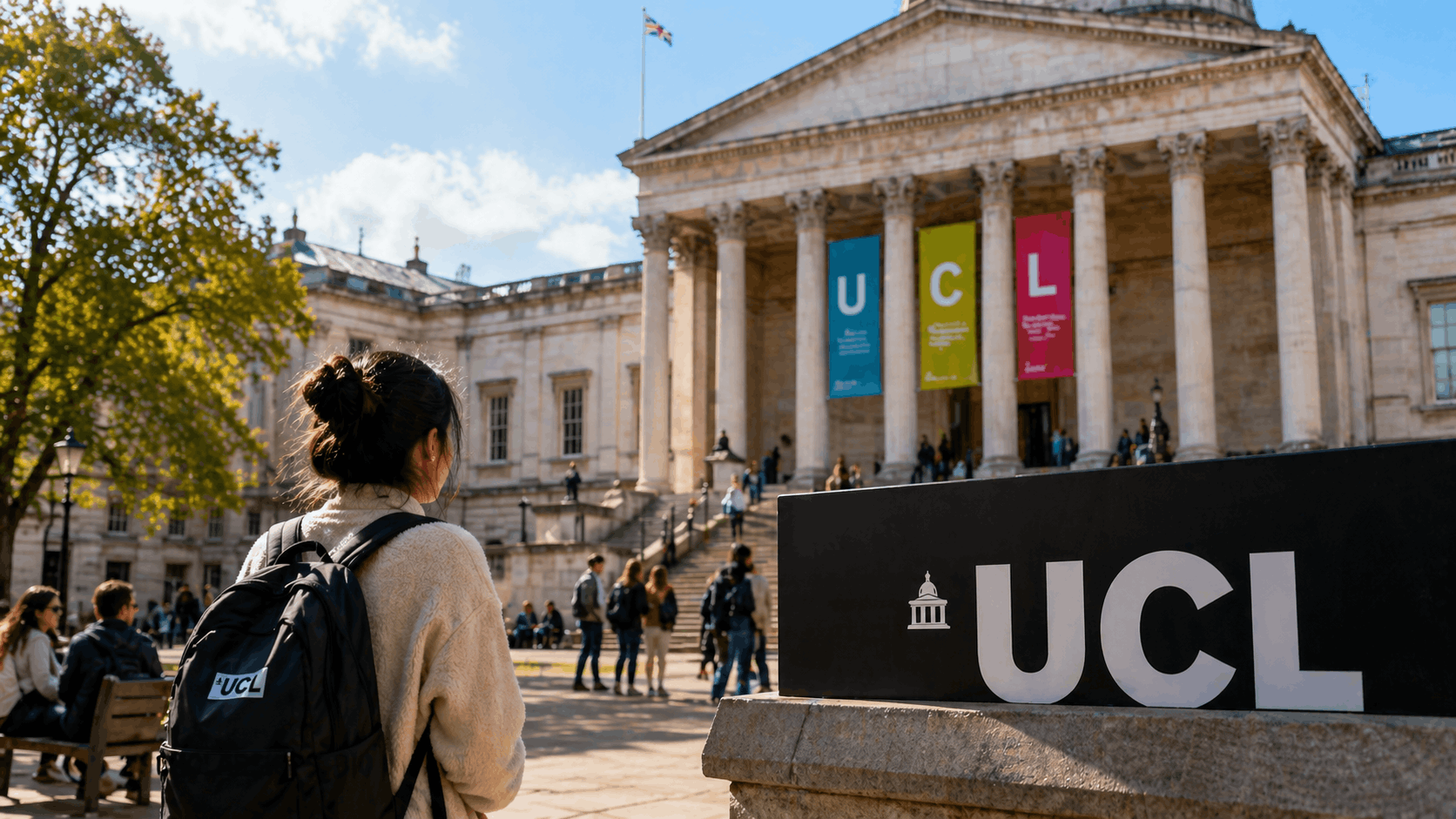
  • UCL Is Offering a £20,500 Scholarship in 2026 — But Most Applicants Will Misunderstand What They Really Want

    UCL Is Offering a £20,500 Scholarship in 2026 — But Most Applicants Will Misunderstand What They Really Want

    Last updated: July 23, 2026

    In 2021, a student from Kano messaged me after losing two scholarship opportunities. Her grades were strong, her CV was neat, and her references were solid. But she kept failing one invisible test: telling her story in a way selectors could trust.

    That is exactly why many people will miss this UCL scholarship.

    They will focus on GPA, certificates, and grammar. But this scholarship is asking a deeper question: Has your life experience given you a reason to improve public health?

    Why This Scholarship Feels Different

    Many scholarships reward academic excellence alone. This one is tied to purpose.

    University College London’s IMPACT Scholarship supports applicants applying for the online Master of Public Health (MPH) who have experienced inequality and want to use that experience to create better health outcomes.

    That means your background matters here — not as pity, but as perspective.

    If you grew up in a community with poor healthcare access, watched relatives struggle with maternal care, dealt with disability barriers, poverty, exclusion, or caregiving pressure, that lived reality can become part of your strength.

    What UCL Is Actually Looking For

    Let me be blunt: they are not asking for a sad story.

    They want evidence that your experience shaped your thinking and direction.

    You need to explain three things clearly:

    First, how inequality affected your life or worldview.

    Second, why studying public health now makes sense for your journey.

    Third, how you will use the degree to improve communities, systems, or policy later.

    That last part is where many applicants fail. They talk only about escaping hardship, not solving problems.

    Who Can Apply in 2026

    To be considered, you need to meet admission requirements for the UCL online MPH and submit an application for the 2026/27 intake.

    The scholarship is connected to that programme. No MPH application, no scholarship consideration.

    It is open internationally, so Nigerian, Ghanaian, Kenyan, South African and other African applicants can apply if eligible.

    Always verify programme entry requirements directly on the official UCL portal before submitting.

    What the Official Website Will Never Tell You

    Two scholarships.

    That means competition will be serious.

    So please don’t apply casually with generic essays copied from the internet. This is where honesty beats polish.

    A simple, truthful story told with clarity often outperforms a fake “perfect” essay.

    If English is not your strongest area, that is okay. Clear thinking matters more than decorative grammar.

    What To Do Now (Smart Application Plan)

    1. Check the UCL MPH page and confirm you meet admission requirements.
    2. Apply for the MPH programme first for the 2026/27 session.
    3. Write your personal story carefully — focus on lived experience, growth, and purpose.
    4. Show future impact by naming the health issue you want to tackle.
    5. Edit everything twice for clarity and honesty.
    6. Submit before 30 June 2026, 11:59pm BST. Do not wait for final day.

    My Honest Advice to African Applicants

    Too many students think elite UK schools only choose polished, privileged candidates.

    Not always.

    Sometimes they are searching for people who understand real problems because they lived them.

    That can be you.

    Your struggle is not automatically a scholarship ticket. But if it built insight, discipline, and mission, it can become part of a powerful application.

    Apply seriously. Apply early. Apply with truth.

    And if fear is stopping you, remember this: many opportunities are lost before rejection ever happens.

  • Things Final Year Students Must Do Before Graduation (Most People Ignore Number 4)

    Things Final Year Students Must Do Before Graduation (Most People Ignore Number 4)

    Last updated: July 21, 2026

    I can recall the day my final year project supervisor signed my work. I felt like I had crossed the finish line. I went back to my hostel, called my mum, and honestly thought the hard part was over. I was wrong. Within six months of graduation, I was sitting in my uncle’s house in Kaduna with a degree, no job, no network, and no plan. I had spent five years in school and zero time preparing for what came after.

    That mistake cost me almost two years of my life. I don’t want it to cost you yours.

    If you are in your final year right now, whether you are in UNILAG, ABU Zaria, FUTO, or any university across Africa, this post is for you. Not the graduation party version of you. The version that actually wants to win.

    Start Your NYSC Documentation Early, Not After Clearance

    Most students treat NYSC registration like something they will figure out “after everything.” That is how people end up with Senate letter issues, wrong name on certificate, or incomplete O’level uploads that delay their mobilization by an entire batch.

    Go to your school’s NYSC liaison office now and ask exactly what documents they will need for your online registration. Schools like the University of Ibadan and Ahmadu Bello University each have slightly different internal clearance processes, and if you assume yours works the same way as your coursemate’s, you might be in for a surprise.

    Make sure your O’level results, date of birth on every document, and your full name all match perfectly. The NYSC portal does not forgive inconsistencies. One wrong letter in your name between your birth certificate and your university admission letter can hold you back from mobilization. Fix it now, not in the stream registration rush.

    Build Your LinkedIn Profile Before Convocation, Not After

    Here is something I wish someone had told me in 200 level: the job market does not wait for you to graduate. Recruiters and hiring managers are actively searching for people right now, including students. A well-built LinkedIn profile in your final year can get you a job offer before your results are even out.

    Start with a professional headshot. You do not need a studio. A clean background, good lighting, and a decent smartphone will do. Write a headline that explains what you bring, not just your school. Something like “Computer Engineering Graduate | Data Analytics Enthusiast | Open to Opportunities” tells a recruiter more than “Final Year Student at FUTA.”

    Use your project work, internship experience, and any freelance or volunteer work as portfolio entries. If you did your IT (Industrial Training) at a bank or tech company, add it. If you built a project during your final year, document it. Your LinkedIn is your digital handshake, and in 2025, no handshake means no conversation.

    Get Your Industrial Training Documents in Order

    Your SIWES logbook, IT letter, and supervisor endorsement are not just for your departmental file. They are proof of professional experience. Many students finish IT, dump the logbook in a bag, and forget about it. Then when a job application asks for evidence of work experience, they have nothing clean to show.

    Scan every page of your logbook. Get a proper reference letter from your IT supervisor on company letterhead. If you supervised any small process or contributed to any project during IT, write it down clearly in your CV as a role with responsibilities and outcomes. Employers, especially in industries like oil and gas, engineering, and banking, take IT experience seriously if it is presented professionally.

    Talk to People Who Already Work in Your Field

    I mentored a final year student from Covenant University in 2022 named Seun. She was brilliant. First class material. But she had never spoken to a single working professional in her field before graduation. Her first job interview was the first time she had ever heard terms like KPIs, performance review cycles, or probation periods. She was shocked. She did not get the job.

    Before you leave school, find at least five people who are already doing what you want to do. They do not have to be famous. Your course senior from two sets ahead who now works at Deloitte, or a family friend who is an engineer at Dangote, or someone you met on LinkedIn who responded to your message. Ask them what the first year of work actually looks like. Ask them what skills they wish they had built in school. Buy them a small lunch if they are local. That conversation is worth more than any final year seminar.

    What Nobody Tells You: Your CGPA Matters Less Than Your Preparation

    This is the uncomfortable truth. Nigerian graduates with a 2.1 who spent their final year building skills, connections, and a real portfolio consistently outperform graduates with a First Class who spent that same time reading for exams alone. I have seen it happen again and again, and it breaks my heart every time I watch a brilliant 4.8 CGPA graduate sit unemployed for two years because they had nothing else to show.

    Your CGPA matters, yes. Some graduate trainee programmes like those of Shell, GTBank, and the Nigerian Army have minimum CGPA requirements. You should absolutely defend your grades. But beyond that threshold, what separates employed graduates from unemployed ones is preparation, not grades. The person who walked into the interview knowing how to use Excel, who had done a certification, who could speak intelligently about industry news, that person got the offer.

    Do not spend your entire final year chasing a CGPA bump at the cost of everything else.

    Your Practical Steps Before That Gown Touches Your Shoulders

    First, request your official transcript request form from your school registry now. Some schools like UNILAG and OAU take months to process transcripts after graduation. Getting ahead of it saves you from delay when applying for foreign masters programmes or competitive jobs that require official transcripts.

    Second, register on at least three credible job platforms: Jobberman, MyJobMag, and LinkedIn. Set up job alerts for your field. The Nigerian job market moves fast and quietly, many roles are filled before they are ever widely advertised.

    Third, get one certifiable skill. If you are in a non-technical field, learn Microsoft Office Suite at an advanced level or take a free Google Digital Marketing course. If you are in tech, pick one tool: SQL, Python basics, Figma, or anything with market demand. Coursera, Google, and ALX Africa all offer free or affordable certifications that carry real weight.

    Fourth, update your CV using a clean, ATS-friendly format. The Applicant Tracking Systems used by large Nigerian companies and multinationals will filter out your CV before a human even sees it if it has tables, columns, or excessive graphics. Keep it simple, one or two pages, and tailored to the kind of role you are targeting.

    Fifth, write down three people who can genuinely speak to your character and your work, academic referees, IT supervisors, or project mentors. Call them and ask for permission to list them. Do not do this after you have already listed them.

    The Last Thing I Will Say

    Final year is not just a finish line. It is a launching pad. And the difference between the graduate who lands a role in three months and the one still searching two years later is almost always what they did in those last few months before graduation.

    You still have time. Use it like it is the most valuable resource you have, because right now, it absolutely is.

    Do not leave university the same way you entered it. Leave prepared.

  • Difference Between University, Polytechnic, and College of Education: Which Is Right for You?

    Difference Between University, Polytechnic, and College of Education: Which Is Right for You?

    Last updated: July 21, 2026

    Back in 2020, after one of my guy Yunusa misses university admission twice. He got a little bit depressed because the society around him is always like , “If it’s not university, you have failed.” I asked him one question: Do you want status, or do you want a future? That conversation changed his life. He entered a polytechnic, studied Electrical Engineering, and today earns more than many degree holders.

    I need to say this early: too many African students are choosing schools based on pride, not purpose.

    If you’re confused about the difference between university, polytechnic, and college of education, you are not alone. I’ve seen students waste four years in the wrong institution simply because nobody explained the truth clearly.

    Let me break it down the way I wish someone broke it down for me.

    What a University Is Really For

    When I gained admission into a federal university, I thought life was settled. Reality humbled me fast.

    Universities are built for deeper academic learning, theory, research, and professional careers. If you want to become a lawyer, doctor, pharmacist, engineer, economist, lecturer, or pursue postgraduate studies, university is often the standard route.

    Universities usually offer Bachelor’s degrees such as B.Sc, B.A, B.Eng, and others. In Nigeria, these institutions are regulated by bodies like National Universities Commission.

    The biggest advantage is recognition. Many employers still respect university degrees strongly, especially in traditional sectors.

    But here is the truth many blogs skip: some university graduates leave school with plenty theory and little practical skill.

    What Polytechnic Is Really For

    One of the smartest guys I know studied at a polytechnic in Kaduna. While university students were still writing exams, he was already repairing industrial machines for money.

    Polytechnics focus more on technical skills, practical training, and industry readiness. Courses are hands-on. You learn how to do the work, not just define it.

    You usually earn ND (National Diploma) and HND (Higher National Diploma), though policies around degree upgrades continue to evolve in some countries.

    If you like technology, engineering, design, ICT, business operations, media production, or entrepreneurship, polytechnic can be powerful.

    Many students ignore polytechnics because of old stereotypes. Big mistake.

    Today, skills pay. Employers want results.

    What College of Education Is Best For

    A woman I mentored in Oyo State wanted medicine but missed the cut-off mark repeatedly. She entered a College of Education, discovered she loved teaching, and now runs a thriving private school.

    Colleges of Education are mainly designed to train teachers. If you want to become an educator, school administrator, curriculum expert, or child development specialist, this route makes sense.

    Students often earn NCE (Nigeria Certificate in Education), which can qualify you to teach and can also be used for direct entry into university later.

    If you genuinely enjoy helping people learn, this path can become more rewarding than chasing prestige.

    The Honest Truth

    Most families push university because of ego.

    They want to say, “My child is in university.”

    Meanwhile, the child hates the course, struggles for years, graduates confused, and joins the unemployment queue.

    The right institution is the one that matches your ability, career path, finances, and learning style.

    Not every brilliant student belongs in university. Not every practical student should be in polytechnic. Not everyone is called to teaching.

    Choose based on fit, not noise.

    So Which Is Right for You?

    Choose University if you want professional careers, academic depth, postgraduate options, or fields where degrees matter heavily.

    Choose Polytechnic if you are practical, love hands-on learning, want employable skills fast, or want to build something real.

    Choose College of Education if you love teaching, mentoring children, education leadership, or want a solid stepping stone through NCE.

    Practical Steps Before You Decide

    1. Write down the career you want in 10 years. Not the school title — the actual job.
    2. Check which qualification employers ask for in that field.
    3. Be honest about your strengths: theory or practical work?
    4. Compare tuition, location, and strike history as of your last check.
    5. Verify admission requirements through Joint Admissions and Matriculation Board or official school portals.
    6. Ignore pressure from relatives who will not fund your future.

    Final Word

    The difference between university, polytechnic, and college of education is not about which one sounds bigger. It is about where you can grow, thrive, and build a life.

    I’ve watched students rise from all three paths. I’ve also watched students fail in all three.

    Your institution will open doors, but your hunger, skill, and consistency will decide what happens after that door opens.

    Choose wisely. Your future is too expensive for pride.

  • NYSC Exemption Certificate: Who Qualifies, How to Apply, and Common Mistakes

    NYSC Exemption Certificate: Who Qualifies, How to Apply, and Common Mistakes

    Last updated: July 20, 2026

    Abdullahi Ahmad from Kaduna. Smart, hardworking, had a master’s degree from ABU Zaria. When he started applying for federal government jobs, one particular agency rejected his application because he submitted a printout from the NYSC portal instead of the physical exemption certificate. He had done everything right but lost that opportunity over paperwork. That story never left me, because it could have been anyone.

    If you are reading this, you probably fall into one of two camps. Either you are not sure whether you qualify for an NYSC exemption certificate, or you know you qualify but the process looks confusing and nobody around you has done it before. Both are valid. This post is for both of you.

    Who Actually Qualifies for NYSC Exemption

    This is where most people get confused, so let me be plain about it.

    The National Youth Service Corps Act says that any Nigerian who graduated from a university or polytechnic above the age of 30 is exempt from service. That means if you were 30 years old or older on the day you graduated, not the day you enrolled, you qualify. NYSC checks your date of birth against your convocation date, so both documents need to be clean and consistent.

    People who graduated from foreign universities at age 30 or above also qualify. Same rule applies. Your age at graduation is what matters, not where the school is located.

    Second-time degree holders are another category. If you have already served your one year of NYSC after your first degree, and you go back to school for a second bachelor’s degree or a postgraduate qualification, you are exempt from serving again. You served once, that is enough.

    There is also a category for people with permanent disabilities that prevent them from participating in the service year. This one requires medical documentation from a government hospital, and NYSC will assess the case before approving exemption.

    What the Certificate Actually Is and Why It Matters

    An NYSC exemption certificate is an official government document that carries the same weight as a discharge certificate in most Nigerian contexts. When employers, especially government agencies, MDAs, or any organisation that follows the Federal Character Commission guidelines, ask for NYSC credentials, they want either a discharge certificate or an exemption certificate. Neither is optional.

    Some private employers will overlook it. Most federal institutions will not. Banks that recruit through the Financial Institutions Training Centre (FITC) process will not. The IPPIS-based government payroll system flags employees without valid NYSC documentation. So if your career plan involves anything government-adjacent, this certificate is not something you can treat casually.

    How to Apply, Step by Step

    The application is done through the NYSC portal. As of my last check, the address is portal.nysc.org.ng. Go there, register if you do not have an account, and select the exemption application option.

    You will upload scanned copies of your birth certificate or age declaration, your university degree certificate or statement of result, your official transcript, and a valid means of identification. If you are applying on the basis of a second degree, you also upload your first NYSC discharge certificate.

    After submission, the portal generates a reference number. Hold onto that number. It is how you track your application and it is what you show if there is any issue later.

    NYSC staff review your documents and schedule you for physical verification at your state NYSC secretariat. This step is not optional. You must appear in person with the original copies of every document you uploaded. Bring photocopies too. They will check that your originals match what is on the portal.

    Once verification is done and approved, the exemption certificate is produced. Collection is done at the state secretariat. Some states now have a notification system via SMS or email, but do not rely on that. Follow up yourself after two to three weeks.

    The Honest Truth About This Process

    Most blogs will give you a clean, linear process. Reality is not always linear.

    NYSC state secretariats are understaffed and sometimes slow. If your application involves unusual circumstances, like a date of birth discrepancy between your birth certificate and your university records, your case can stall for months. Fix any discrepancy before you apply, not after. Go to your university registrar’s office and sort out inconsistent records first. It is easier to correct upstream than to fight it at the NYSC level.

    Foreign degree holders face an extra layer. NYSC wants your certificate to be verified by the National Universities Commission (NUC) for university degrees from abroad. If you skip NUC verification, your exemption application will likely be rejected. Check the NUC website at nuc.edu.ng for their evaluation process. It adds time, sometimes two to four months, so plan ahead.

    The other thing nobody tells you: do not apply for jobs that require NYSC documentation while your exemption application is still in progress. Unless the employer explicitly accepts an application acknowledgement letter, which some do and many do not, you will be screened out. Time your job applications around your certificate, not the other way around.

    Common Mistakes That Cost People Their Certificate or Their Jobs

    Uploading poor quality scans is one of the fastest ways to delay your application. NYSC staff need to read your documents clearly. Scan at a minimum of 300 DPI. If your documents are faded or damaged, get notarised copies from the institution that issued them before scanning.

    Applying with an age declaration instead of a birth certificate when a birth certificate is available is another mistake. If you have your birth certificate, use it. Age declarations are accepted but they invite more scrutiny.

    Missing the physical verification appointment without informing the secretariat causes your application to lapse in some states. If something comes up and you cannot make it, call the secretariat directly or send a formal letter requesting a rescheduled date.

    And please, collect your physical certificate. Do not assume a portal printout or a phone screenshot is sufficient. It is not. Get the original laminated document in your hand.

    Your Action Plan

    Start by confirming you meet the age or service-history criteria. If you are unsure about your date of graduation versus date of birth, check your certificate and your birth certificate side by side right now.

    If you graduated from a foreign institution, initiate your NUC credential evaluation before touching the NYSC portal. That step comes first.

    Once documents are ready, create or log into your account on portal.nysc.org.ng and begin the application. Upload clean, high-quality scans. Save your reference number.

    Attend your physical verification appointment with originals and photocopies of everything. Do not leave original documents behind if they ask you to, except where a formal receipt is issued.

    Follow up at the secretariat every two to three weeks until the certificate is in your hands. Do not wait passively.

    Keep multiple photocopies of the certificate once you receive it, and store a high-resolution scan in cloud storage. Losing that document is a nightmare you do not want.

    If anything in your records is inconsistent, resolve it before applying. That one decision can save you months.

    I have watched people lose job offers, fellowship opportunities, and even promotions because they treated this certificate as an afterthought. It is not. Get it done, get it done right, and get the original in your hands. Then go after everything you have been working for.